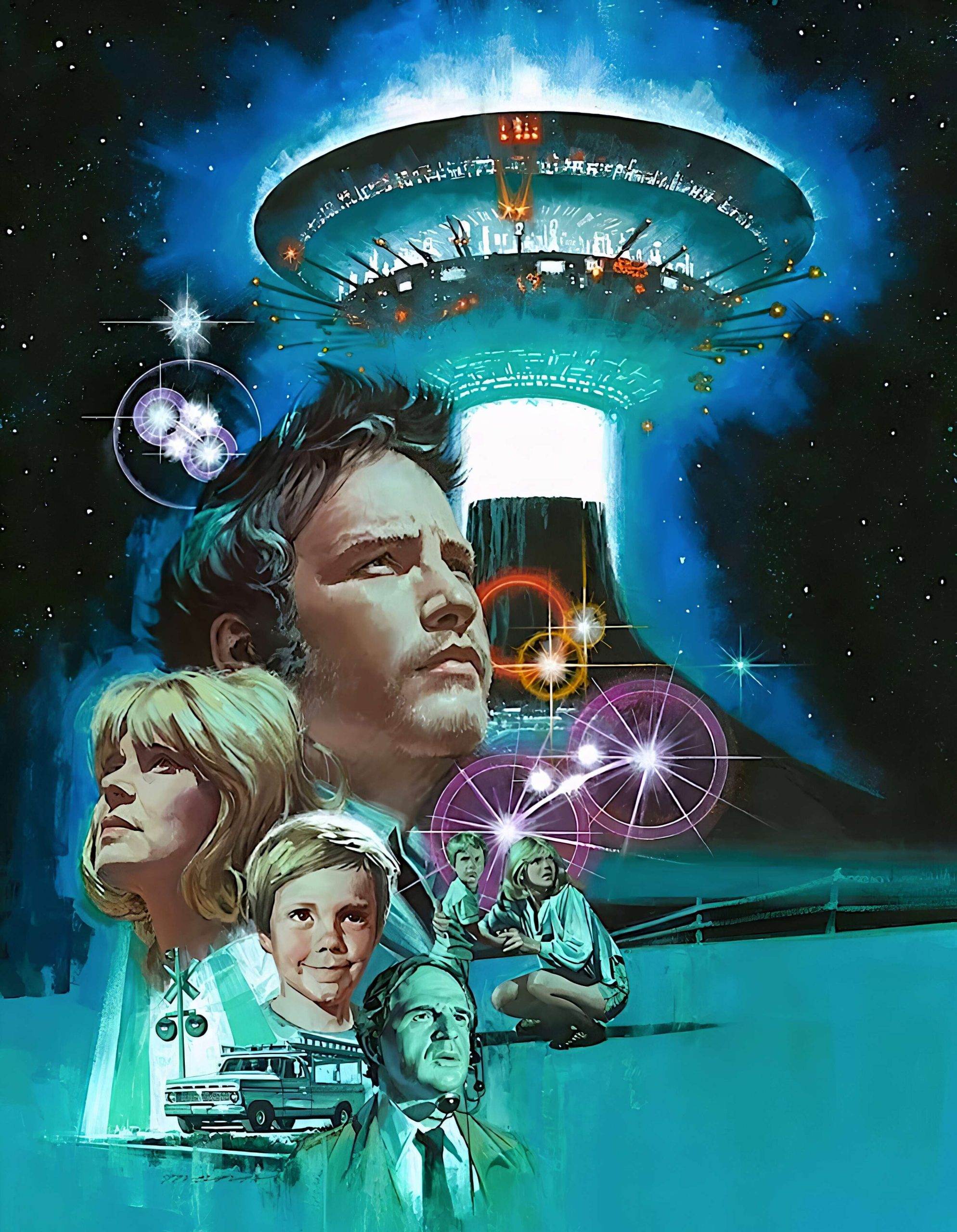
Staff review
Close Encounters of the Third Kind
9.5
One Sec.
Loading Details...
Staff write-up
The Rev
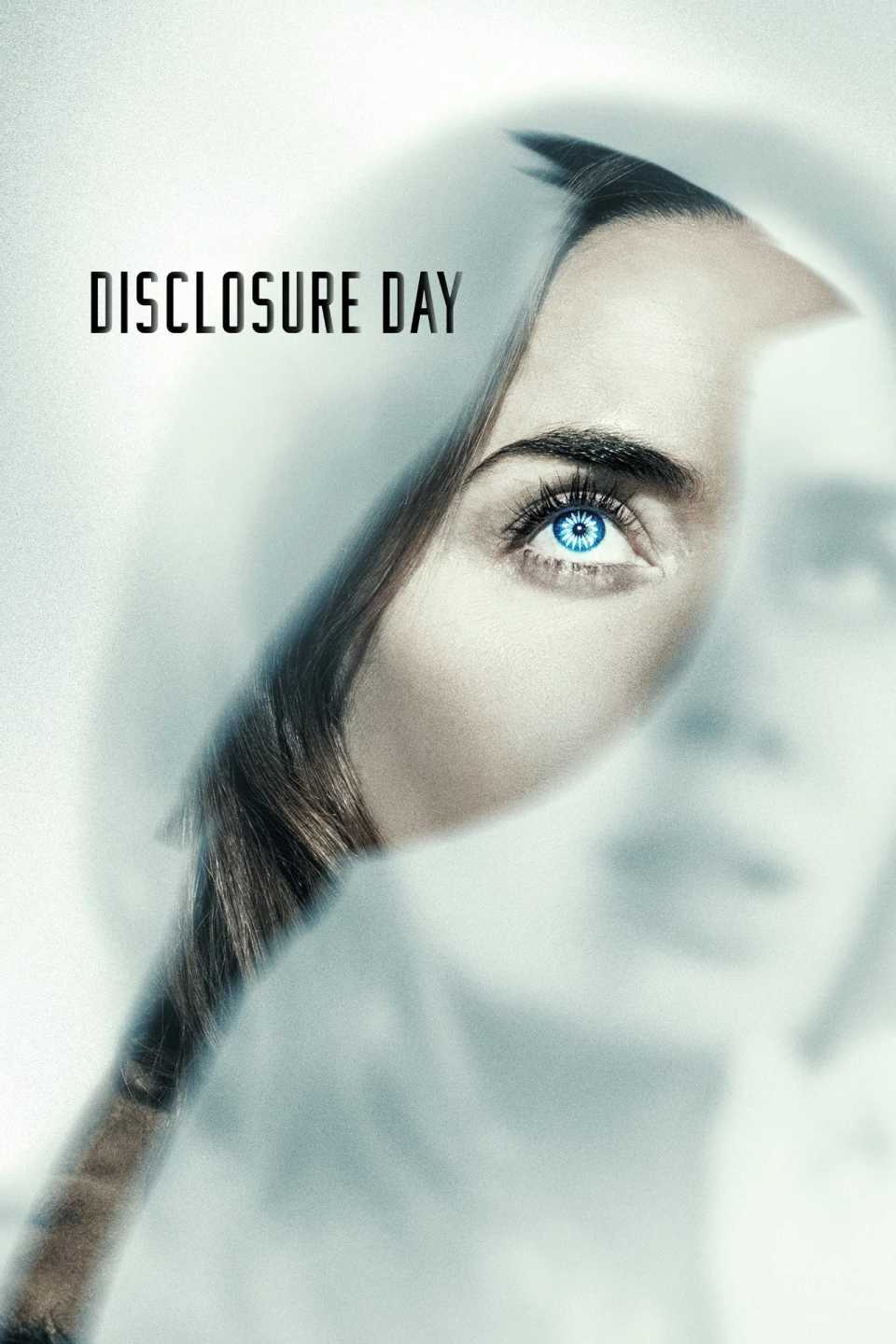
With Spielberg's Disclosure Day coming out, and the rumor mill rampant that it's a Close Encounters secret sequel, it's time to go back and look at one of his best movies of all time. Look. Close Encounters isa masterpiece. I've seen it before, a lot. I know how it ends. It still gets me. I's not nostalgia, that's a level most cinema never attempts much less achieves.
Close Encounters of the Third Kind is not a science fiction film. Not really. It's a film about transcendence dressed in science fiction clothing. Every alien film before it asked you to fear the unknown. This one asks you to want it so badly you'd give up everything to reach it.
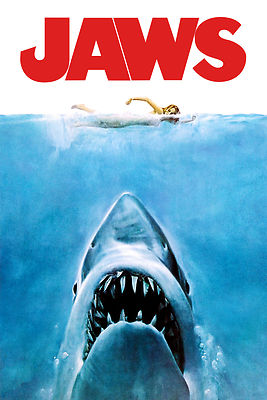
Spielberg made this as his second film after Jaws, which had already made him the most commercially successful director alive. Close Encounters came out December 1977, six months after Star Wars, both films in production simultaneously with zero knowledge of each other.
The film opens in the Sonoran Desert with no establishing context, no translator, no explanation. You're as disoriented as the investigators. That's intentional. The planes they've found are from the SS Flight 19, the famous 1945 Navy torpedo bombers that vanished over the Bermuda Triangle. Thirty years ago. Spielberg plants his flag in the first four minutes.
Add we watch unknown blips on the radar, the air traffic controllers lose control, nobody is in control. You can see the fear in their eyes. The professionals whose entire job is managing the sky are completely helpless. The wonder and the fear aren't separate reactions. They're the same reaction hitting at the same time. The pilots who decline to report it official says everything. They saw SOMETHING. They're not reporting it. How do you report that?
Then we meet Barry. A child alone at night with something unknown is primal fear. But Barry's face when the door opens is pure delight. He runs toward it. Spielberg used a child because children haven't learned to be afraid of the unknown yet. Barry has no cultural programming about what this should mean, why he should great an open door in the middle of the night. He just opens the door and follows the light.
Roy Neary (Dreyfuss) is the film's heart. The headlights in the rearview mirror sequence is one of the greatest pieces of cinema ever constructed. Your brain files it as a truck, the setup happens moments before the rug pull. The reveal that it isn't is more disorienting than any monster because Spielberg used your own assumptions against you. Then it goes up. Our entire understanding of the scene inverts in a second.
The sunburn Roy wakes up with is genius. Physical proof that the transcendent left a mark. Roy wakes up with a tan and nobody believes him and he can point to it anyway. Heck, he doesn't even notice it his wife does.
Side note: Vilmos Zsigmond's cinematography won the Oscar for good reason. The lighting philosophy is the film's hidden hero. Ordinary life is flat, warm. First encounters are blinding white, pure overwhelming presence. Barry's sequences are warm reds and oranges because the aliens aren't threatening him. The Devil's Tower finale is cold blue and operatic. Watch when the light stops being scary and starts being beautiful.
The mashed potato scene is the film's finest sequence, my favorite. A man destroying his kitchen while his family watches him come completely apart, unable to stop because he's almost there. Dreyfuss earned his Oscar nomination in that kitchen. Roy isn't choosing obsession over his family. He genuinely tries to stop. His hands just keep moving because something deeper than conscious decision is running him.
The musical communication sequence is John Williams operating at the peak of his powers. The five notes are D-E-C-C-G. Williams wrote over 300 combinations before landing on those five. The mothership teaches, corrects, gets frustrated, then the humans get it, then both sides go wild, then the mothership drops a low note to quiet everything down. Lesson's over. Let's proceed. Williams used a tuba as the voice of the mothership and an oboe as the voice of humanity, it's fitting, giving the mother ship this authoritative literal tone.
IMDB fun fact: Hidden in the last few seconds of the mothership's conversation is the two note Jaws theme.
The returning pilots is eerie. The dead returned, unchanged by decades, emerging serene rather than traumatized. But even if they are safe and by all accounts normal, it's still terrifying they were robbed of their lives. A post op debriefing on their opinions would be fascinating.
Roy boarding the ship, the music swells, the lighting is transcendent, and he abandoned his life for the call. Every cue tells you this is triumphant and beautiful and right. And somewhere underneath that you're thinking about his kids, his wife. Spielberg doesn't resolve that tension. He shows you a man walking toward the most significant experience in human history and leaving his family behind to get there, and we have to hold both the wonder and the tragedy simultaneously. Roy shrugs when asked why him. I don't know. I just have to.
Close Encounters of the Third Kind is about what happens when the thing you always believed or feared shows up. Does that confirmation, that new found knowledge, make life better, or just make you incompatible with ordinary existence. The answer can be both.
Same vibe
Related Revs
Same desk
-1.jpeg)